The 2026 seafarer workforce figures, and what they mean for navies
The new BIMCO/ICS report finds a shortage of certified officers alongside a surplus of ratings. Navies compete for exactly the skills that are scarce.
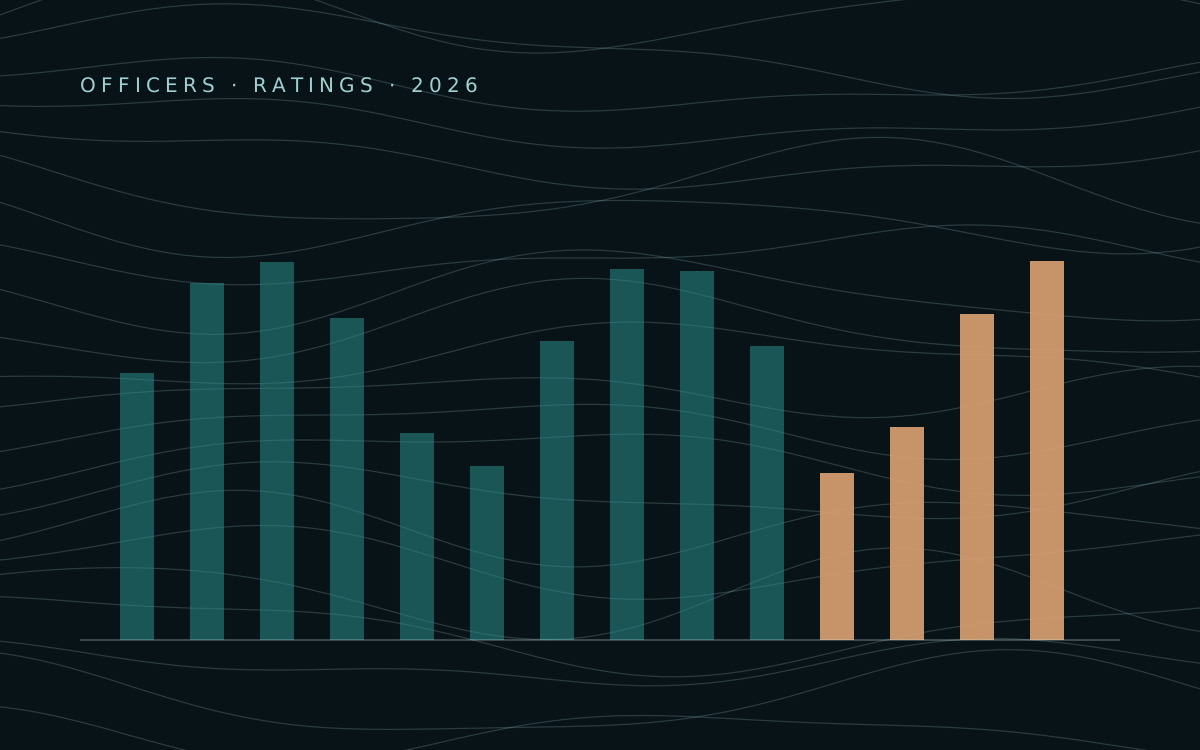
On 25 June 2026, BIMCO and the International Chamber of Shipping published their Seafarer Workforce Report 2026, the industry’s most closely watched estimate of supply and demand for merchant seafarers. Its headline numbers are stark: 2.57 million seafarers serve on 85,148 merchant ships, and the global fleet is short an estimated 39,100 officers certified under the STCW Convention — while carrying a surplus of 56,890 ratings.
The report projects that 113,735 additional officers will be needed by 2030. The gap, in other words, is not a shortage of people willing to go to sea; it is a shortage of people with the qualifications, experience and certification to take responsibility on board.
Why a merchant-fleet report matters to navies
Navies and merchant fleets recruit from overlapping pools. The marine engineer, electro-technical officer or navigating officer a navy wants to train or retain is the same person a shipping company, shipyard or offshore operator is trying to hire. When the certified-officer pool tightens, every maritime employer feels it — and naval workforces, with long training pipelines and fixed pay structures, often feel it first.
Pressure is not confined to smaller services. The US Navy, for example, reported recruiting 30,236 enlisted sailors in fiscal year 2023 against a goal of 37,700.
A surplus of ratings is an opportunity — if training exists
The same report that finds an officer shortage finds a surplus of ratings. That points to where effort is most valuable: structured progression from rating to officer, recognised certification, and training capacity that can move experienced people up the qualification ladder.
“The recruitment, training and retention of the seafarer workforce will be crucial to ensuring that our industry is prepared for the future.”
The countries supplying the world’s mariners
Supply is concentrated. According to India’s Ministry of Ports, Shipping and Waterways, India now supplies 311,936 seafarers — 12.16% of the global workforce — second only to the Philippines, up from a 5.2% share in 2015. Indian officers make up 13.41% of the world’s seafaring officers.
“Seafarers are the backbone of global trade, and this report reinforces just how important they are to keeping the world economy moving, especially in an increasingly fragmented world.”
What follows for naval workforce planning
- Plan for competition: assume the civilian market will bid for every certified engineer and officer a navy trains.
- Invest in progression: the fastest route to more officers is often through experienced ratings with a clear, funded pathway.
- Recognise certification: aligning naval and civilian qualifications where possible supports both recruitment and post-service careers.
- Look at the whole workforce: shore-side engineering, maintenance, medical and logistics roles face the same pressures as seagoing ones.
None of this changes who decides how a navy is crewed. It does change how urgently those decisions need good data, realistic plans and lawful, well-governed ways to widen the talent pool.
Sources
- BIMCO / International Chamber of Shipping, Seafarer Workforce Report 2026 — press release, 25 June 2026. bimco.org
- USNI News, Navy Misses All Recruiting Goals in FY 2023, Raises Goals for FY 2024, 11 October 2023. news.usni.org
- Press Information Bureau, Government of India (Ministry of Ports, Shipping and Waterways), India Emerges as World’s Second-Largest Supplier of Seafarers, 28 July 2026. pib.gov.in
- International Maritime Organization, International Convention on Standards of Training, Certification and Watchkeeping for Seafarers (STCW), 1978, as amended. imo.org
This is an industry analysis published by NavyExporter for general information. It is not a company announcement and does not describe any NavyExporter client, programme or partnership.